What Does a Free Beat Like "NO CAP" Actually Let You Do With Your Track?
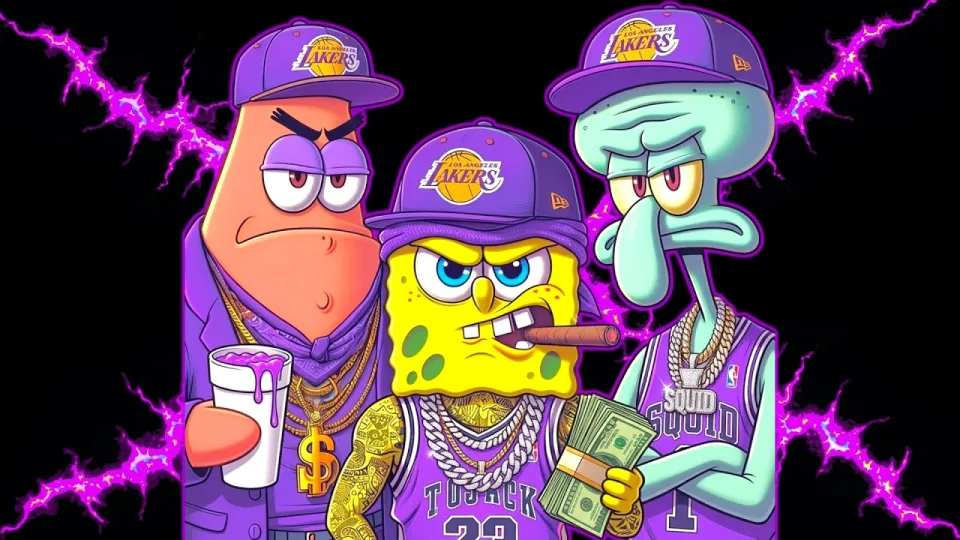
Video: Freestyle Beat - "NO CAP" | Free Type Beat 2026 | Rap Trap Beat Instrumental
Want articles like this for your own video to promote it on YouTube and Google? Order them through the Telegram bot @sat_sit_bot. Articles with your video embedded are written and posted by the bot itself — on popular topical sites (no ads). Try it free: 50 articles on us.
· based on the channel JxnBeatz
Key takeaways
- "NO CAP" is a freestyle/rap-trap type beat from producer JxnBeatz, published on October 16, 2026.
- Free download is allowed for non-profit use only, with credit "Prod. Jxnny" required.
- To upload a song on Spotify, Apple Music or YouTube monetization you need a paid lease.
- Leases are sold on BeatStars (jxnnybeats.beatstars.com) with instant delivery and a buy 2 get 1 free offer.
- A "type beat" is an original instrumental made in the style of a reference artist, not an official beat by that artist.
A free beat is an instrumental you can download and record on at no cost, but the free tier almost always limits you to non-profit use. In the case of JxnBeatz's "NO CAP" freestyle rap beat, the producer allows free use only for non-commercial projects and requires the credit "Prod. Jxnny"; anything that earns money needs a paid lease bought through the JxnBeatz BeatStars store.
What exactly is a free beat and why producers give them away
A free beat is a full instrumental released for download with a restricted license attached, usually non-profit only. Producers use free beats as a shop window: you hear the quality, record a demo, post a snippet, and if the track starts to matter you come back for a lease or an exclusive. That is the whole economy behind channels like JxnBeatz, where the free tag sits next to a purchase link rather than replacing it.
"NO CAP" is a rap-trap instrumental built for freestyle: a steady tempo, a hard-hitting low end and enough space in the midrange for a fast, aggressive flow. It is published as a "type beat", which means an original composition made in the style of a certain sound or artist, not an official instrumental from that artist's catalogue. The practical consequence: nothing about the beat is uncleared, but the license terms still apply to you.
The free license terms in plain language
The free tier of "NO CAP" allows non-profit use only, and that single sentence covers more than most rappers expect. Non-profit means no money changes hands because of the track: no streaming royalties, no paid shows built on that song, no ads, no monetized video, no selling the file. A demo sent to friends, a SoundCloud upload with no monetization, a practice take, a portfolio snippet — that is the zone the free license is written for.
Credit is not optional. The producer asks for "Prod. Jxnny" in the title or description wherever the track appears, and that requirement survives even the paid tiers. Missing credit is the most common reason a free beat user gets a takedown request, and it is also the easiest thing to fix before uploading.
Freestyle beat versus type beat versus instrumental
A freestyle beat is judged by how little it fights the vocal: the drums hold the pocket, the melody loops without demanding attention, and the arrangement leaves room to breathe. A type beat adds a stylistic reference point so you know what lane it belongs to. An instrumental is the neutral word for the same file without any claim about genre or use.
"NO CAP" sits in all three categories at once, which is why its tags run from freestyle instrumental to dark trap beat. For a rapper the practical difference is small: what matters is whether the tempo suits your flow and whether the mix leaves headroom for a vocal. Freestyle-friendly beats usually sit in a mid tempo range where double-time and triplet patterns both work, and they avoid busy lead lines in the frequency range where the voice lives.
How to use the beat step by step
- Download the file from the producer's channel or store page and keep the original name so you can trace the source later.
- Note the tempo and key before you write, then set your DAW session to match so the beat does not drift when you stretch it.
- Record your verses over the full loop first, then decide whether you need an intro, a hook section or a drop.
- Add the credit "Prod. Jxnny" to the title and description of every upload, including private links you share publicly.
- If the track will earn anything — streams, views, ticket sales, brand work — buy a lease before you publish, not after.
Skipping step five is where most problems start. A song that suddenly gets traction on a free license has to be taken down or retroactively licensed, and the second option is always the more expensive one.
What a lease adds and when you actually need one
A lease is a paid, non-exclusive license: you get the right to distribute and monetize your song while the producer keeps selling the same beat to other artists. That is the key difference from an exclusive, where the beat is removed from sale and nobody else can use it. For a first release, a lease is normally enough; exclusives matter when the instrumental becomes part of your identity or you are signing the track to a label.
On the JxnBeatz store, licenses are delivered instantly after purchase and the shop runs a buy two get one free promotion across all license tiers, which is useful if you are planning an EP rather than a single. Before you buy, read the tier limits: distribution caps, streaming volume ceilings and music-video allowances differ between basic and premium leases, and the cheapest tier is rarely the right one for a track you intend to push.
Common questions rappers ask before recording
Can you upload a free beat track to Spotify? Not on the free tier — streaming counts as profit-making distribution, so a lease is required first. Can you post a snippet on social media? Usually yes under non-profit use, provided the credit is visible and the post is not monetized.
Does a type beat mean the beat was stolen from a famous song? No. A type beat is an original composition in a similar style; the name of the reference artist describes the vibe, not the source material. Can two artists use the same leased beat? Yes, and that is normal — a lease is non-exclusive, so your version competes on the strength of your writing and mix, not on exclusivity.
What if the beat gets claimed on YouTube? Content ID claims on leased beats are usually resolved by showing the license receipt, which is another reason to keep the purchase confirmation. And if you only ever freestyle for practice, the free tier covers you completely — no purchase, just the credit.
Useful links
- JxnBeatz BeatStars store — licenses, instant delivery, buy 2 get 1 free
- JxnBeatz on Instagram — new beats, updates and direct contact
Bottom line
The "NO CAP" freestyle beat is a usable, well-built rap-trap instrumental that costs nothing to record on and a modest lease fee to release properly. Treat the free download as a demo license with a credit requirement, and treat the lease as the price of putting the song on streaming platforms or earning from it. If you are unsure which tier fits your plan, check the license terms on the JxnBeatz BeatStars page before you record, not after the upload. The channel JxnBeatz built this beat and its terms around a simple trade: exposure for the producer, a real instrumental for the artist.
Source: Freestyle Beat - "NO CAP" | Free Type Beat 2026 | Rap Trap Beat Instrumental · Markdown version
Questions & answers
Can I release a song on a free beat on Spotify or Apple Music?
No. The free license for "NO CAP" covers non-profit use only, and streaming distribution generates royalties, which counts as profit. You need a paid lease before you upload the track to any streaming platform.
Do I have to credit the producer if I use the beat for free?
Yes. The producer requires the credit "Prod. Jxnny" wherever the track appears, including titles and descriptions. The requirement applies to free and paid use alike, and missing credit is the usual reason for takedown requests.
What is the difference between a type beat and an official instrumental?
A type beat is an original composition made in the style of a certain artist or sound, so no samples or rights from that artist are involved. An official instrumental comes from the original producer and usually requires direct clearance.
Can another artist use the same beat after I buy a lease?
Yes. A lease is non-exclusive, so the producer can keep selling the same instrumental to other artists. Only an exclusive license removes the beat from sale and guarantees you are the sole user.